
Tips to Achieve a Cinematic Look for Your Camera
Understanding Perspectives on FilmmakinG
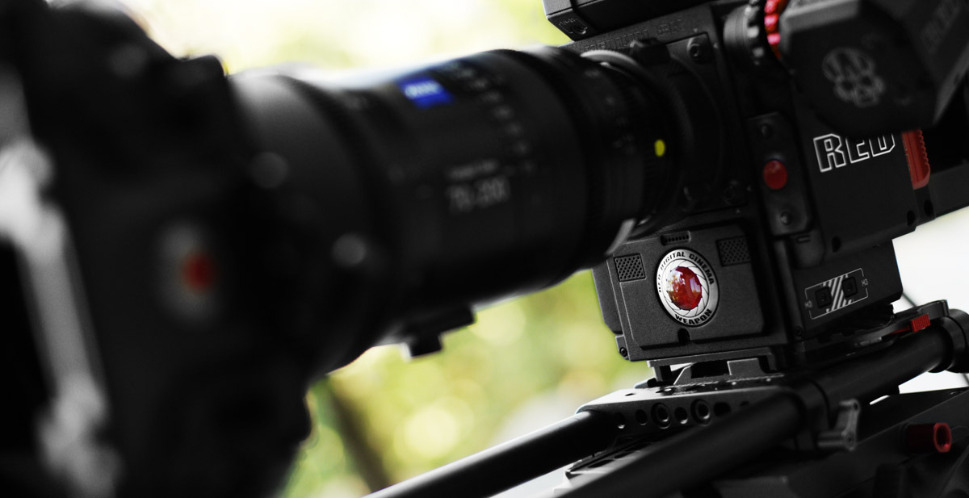
Not everyone has a big budget and using small gear may be the only way to produce a film. While size may matter to some filmmakers, some people choose to use their barebones kit, which can include:
- Camera
- Monopod
- Assorted cables
- Cleaning gear
- Radio microphone kits
- Audio recorder
- Chargers and charging blocks
- Card reader
- Backup camera
Crafting a project does not have to be fancy. In fact, you can complete the film using a professional camera rental and the available natural light. Of course, creativity is also crucial at this point, and if you combine it with everything you have, you will see how amazing it is to accomplish with small and less gear.
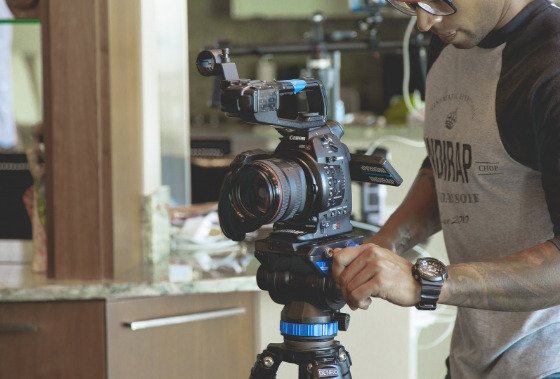
Technology’s Effects
However, even award-winning directors believe that filming without the need to bring heavy production equipment can be advantageous. One benefit is that it takes away being tagged as a film crew, which becomes less intimidating for those who work in front of the camera.
1
POVs in Film
Point of View (POV) tells you how your audience will experience the visual world you create for them. You want to take control of your film, which you can achieve through storytelling methods. With POV, the shot directly represents the viewpoint of the character. The viewer sees what the actor can see. For other filmmakers, it should be about the POV from which the story of the character should be experienced.
All the TV shows and films that we have today present the story from a
specific POV. It is so precise that a small change in that point of view can
alter the whole story – or at least the way the audience feels about the
situation of the character.
The shots in a film express an individual perspective, which often
changes and is typical with every new shot. The narrative stance or the POV is
mostly unnoticed even by the attentive audience. However, when the point of
view changes, it can profoundly affect how the observer interprets the
character and the scene.
The viewpoint can be subjective or single-character, and it can be
objective with third-person POV. First-person POV restricts the things that the
audience can see based on the character on the screen. This type of perspective
is quite rare in which the focus is on the characters on the screen rather than
the person who sees them.

As for the limited point of view of a third person, the action is
presented from the perspective of an observer. An example is when you see an
over-the-shoulder angle. When two characters are talking, the camera focuses on
both of them, usually in mid-shot to capture them.
Filmmakers combine these perspectives and even change them from time to time to create more exciting projects.
Recent Posts
-
FOR-A Viztrick AiDi: AI-Powered Graphics & Analysis for Live Sports Production
AI-Powered Sports Production FOR-A Viztrick AiDi An AI-powered, tablet-operated system that visual …Oct 5th 2026 -
Panasonic Introduces the AW-UER200 Series of 5K PTZ Cameras
Panasonic Introduces the AW-UER200 Series of 5K PTZ Cameras Panasonic is expanding creative poss …Sep 25th 2026 -
Yamaha Expands Professional Audio with the DM5 Series and New RUio I/O Solutions
New from Yamaha Yamaha Expands Professional Audio with the DM5 Series and New RUio I/O Solutions F …Sep 23rd 2026